Encapsulation

You can take two views of an object:
  • internal - the structure of its data, the algorithms used by its methods
  • external - the interaction of the object with other objects in the program
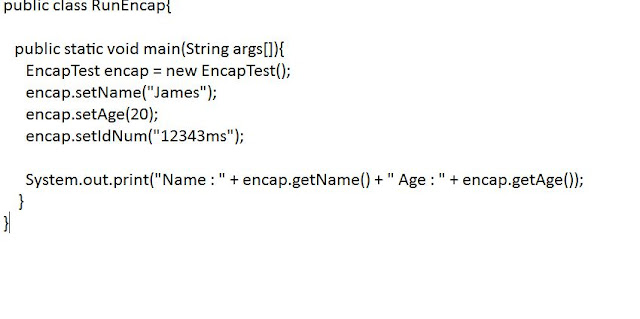
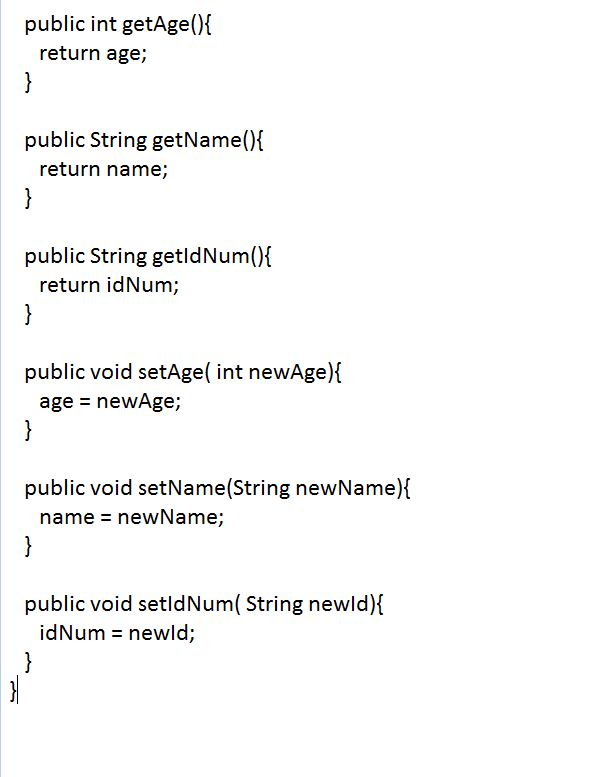
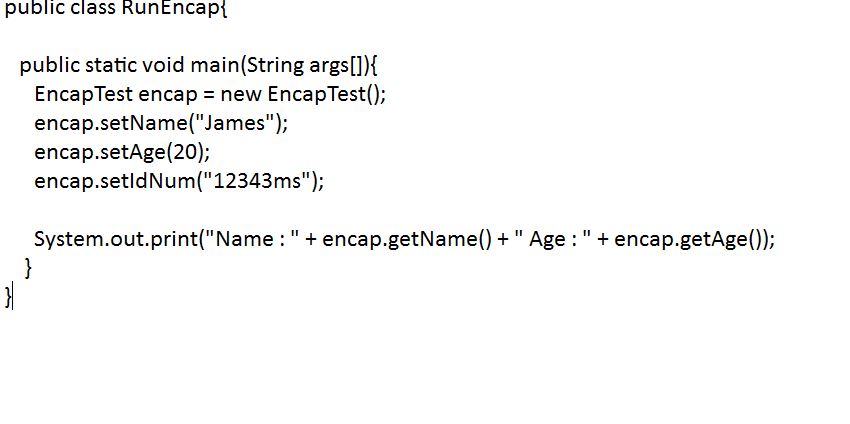
From the external view, an object is an encapsulated entity, providing services These services define the interface to the object An object should be self-governing Any changes to the object's state (its variables) should be accomplished by that object's methods We should make it difficult, if not impossible, for one object to "reach in" and alter another object's state The user, or client, of an object can request its services, but it should not have to be aware of how those services are accomplished (abstraction - hide details).


Comments

Post a Comment

Popular posts from this blog

Polymorphism and Dynamic Binding

Polymorphism: One piece of code works with all shape objects. Dynamic binding: How polymorphism is implemented Take previous Shape class hierarchy  remove inheritance  remove general and abstract class Shape 

Generalization and Specialization

Generalization creates a concept with a broader scope. Specialization creates a concept with a narrower scope. Reusing the interface!  Inheritance: get the interface from the general class. Objects related by inheritance are all of the same type.

History of Java

1990 Oak (interactive television, big failure) 1994 Java (for the Internet) Main feature: "Write Once, Run Any Where" => wrap the operating system so they all look the same Designed for A fresh start (no backward compatibility) “Pure” OOP: C++ Syntax, Smalltalk style Improvements over C++ much harder to write a bad program  Internet programming Very hard to create a virus  Run in a web browser (and at the server) There is a speed issue (from Java 1.3 and up much better) C# Microsoft's “Java-Killer” project release 2001 Language very similar to Java   Commen-Language Runtime (CLR) supports 30+ languages